NPWT MEDICAL DEVICE
Role: Mechanical Design Engineering Intern
Duration: January 2026 – June 2026
Domain: Medical Device Development
Role: Mechanical Design Engineering Intern
Duration: January 2026 – June 2026
Domain: Medical Device Development
Role: Mechanical Design Engineering Intern
Duration: January 2026 – June 2026
Domain: Medical Device Development
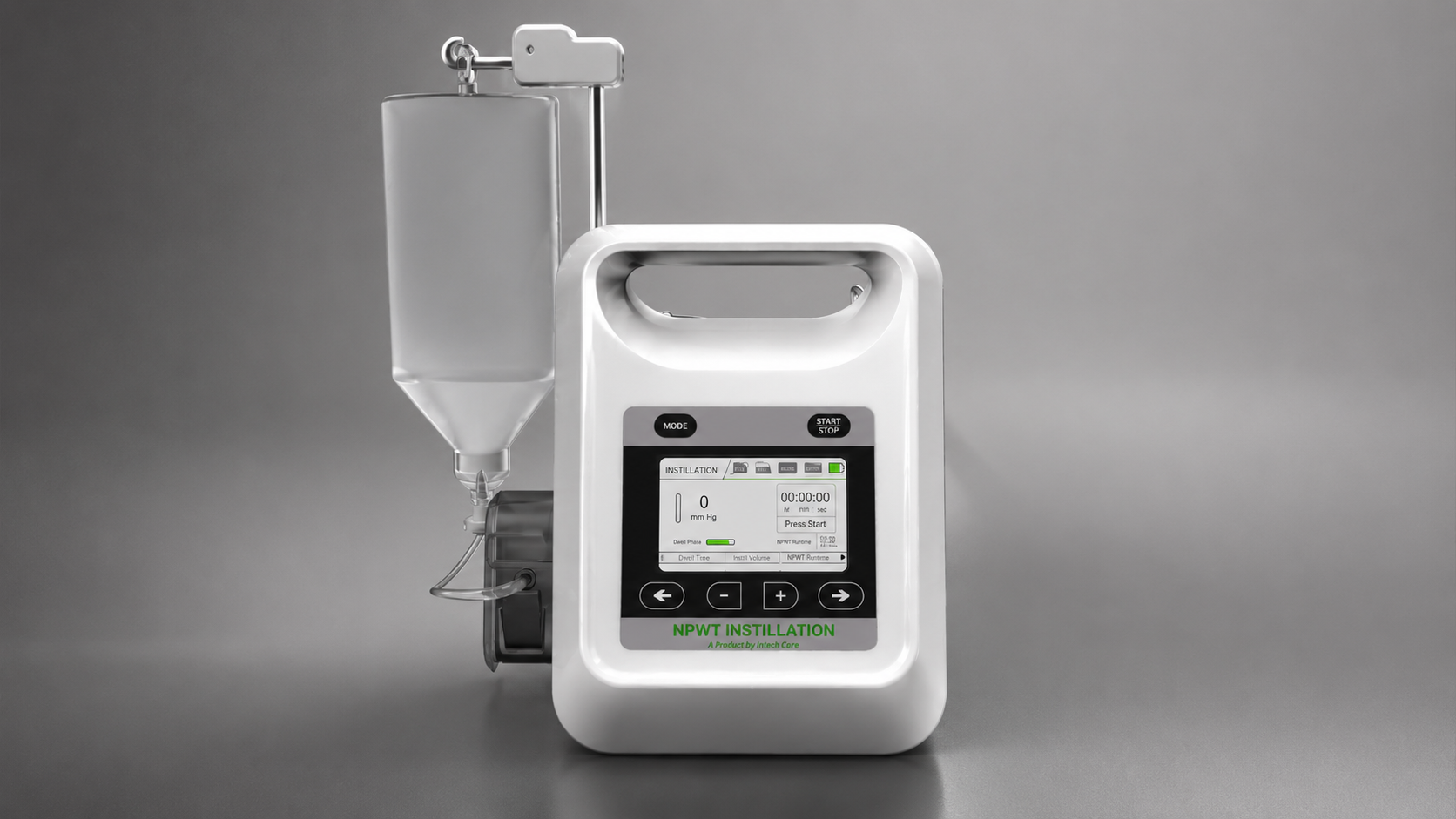
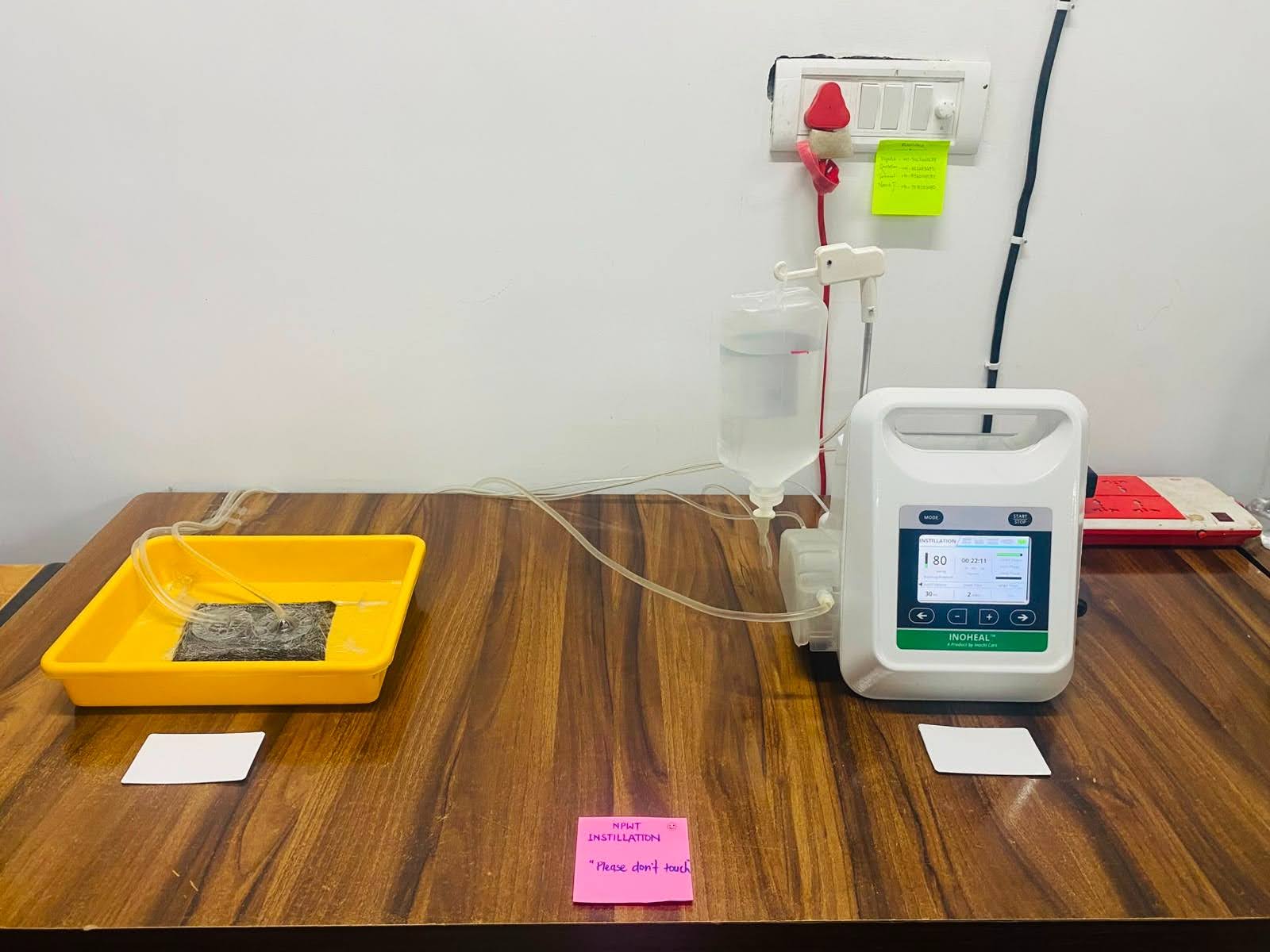
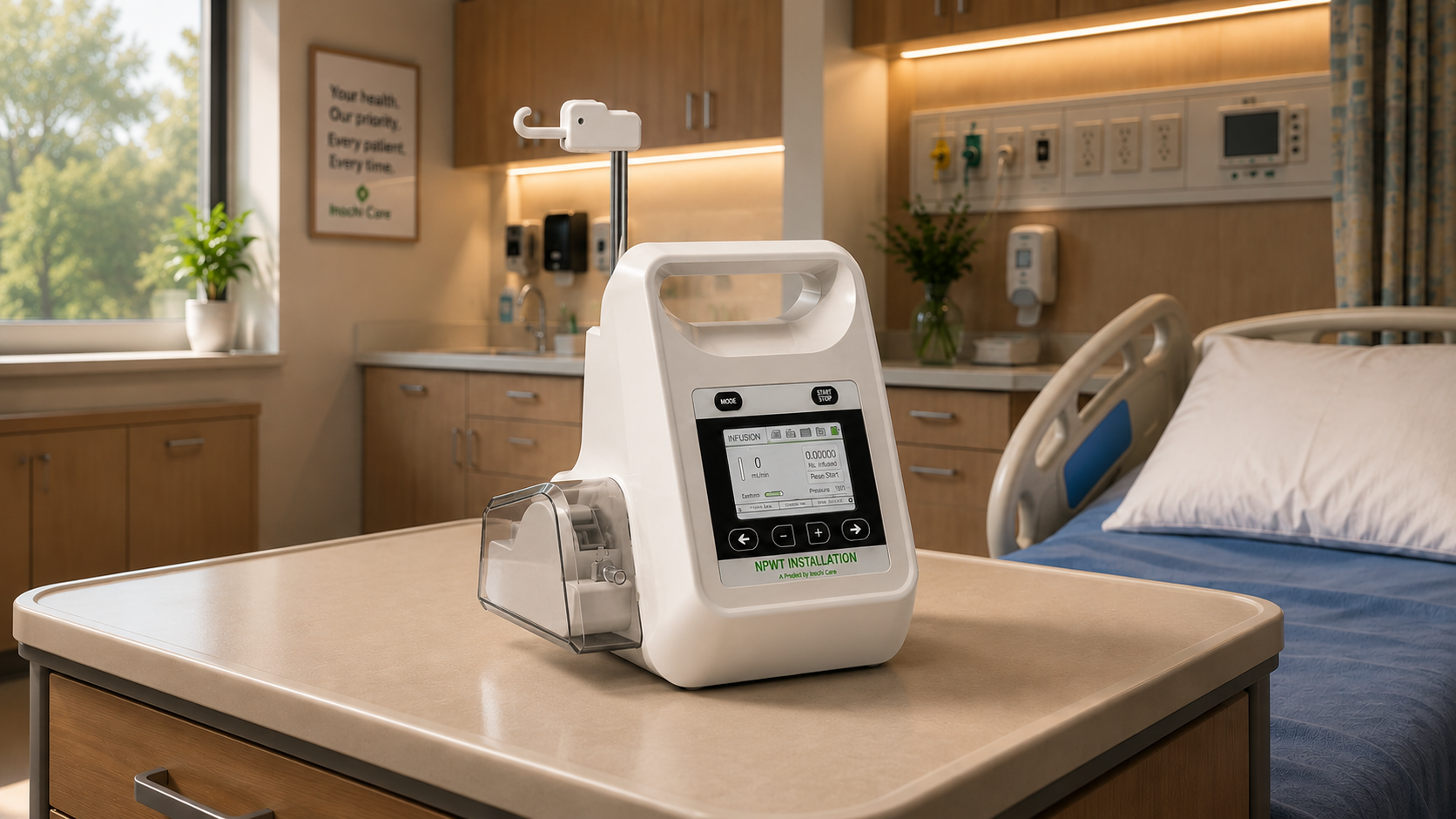
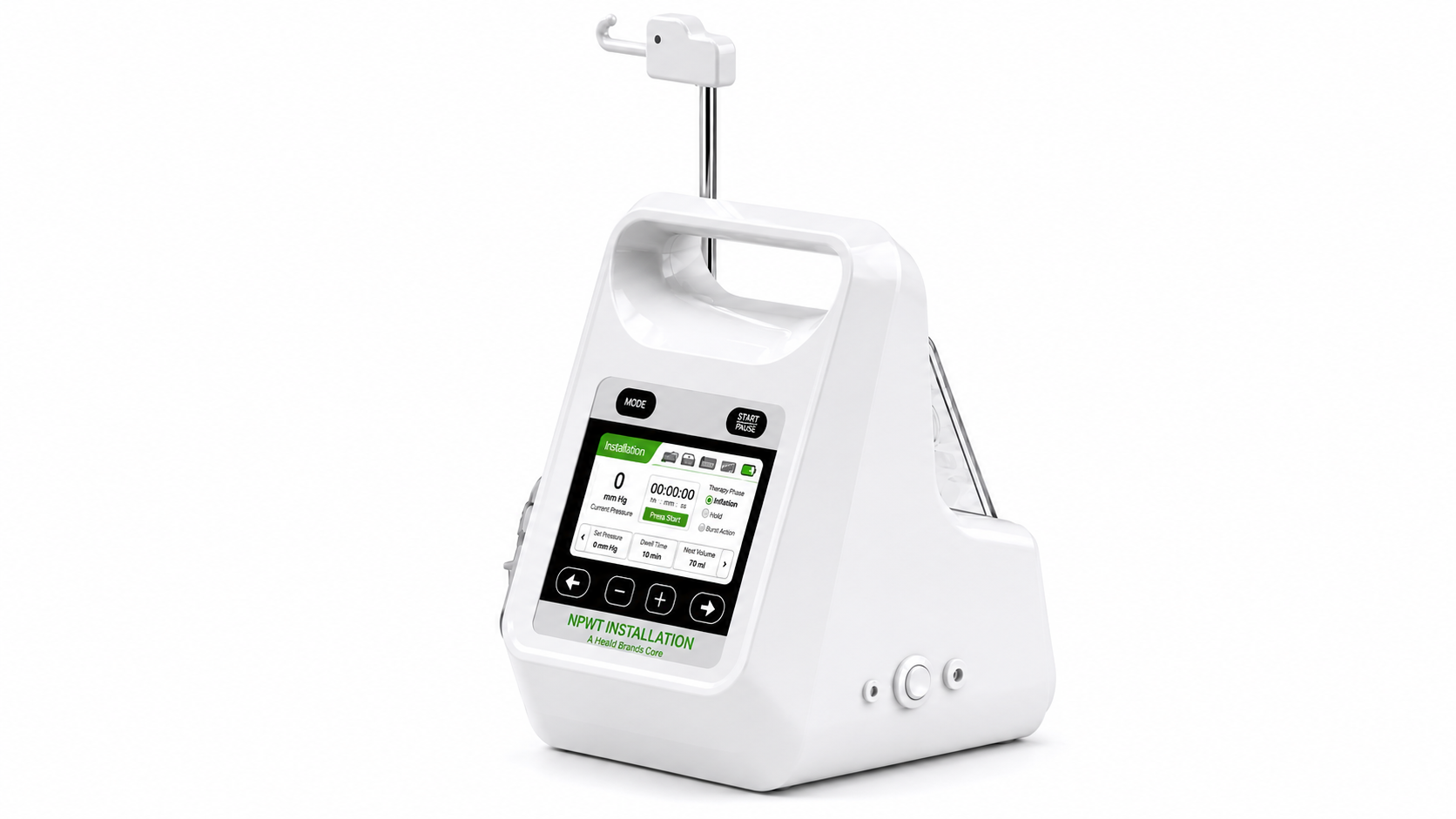
Designed and developed mechanical subsystems for a Negative Pressure Wound Therapy with Instillation (NPWTi-d) system. The project involved extending an existing NPWT platform by integrating an instillation subsystem, redesigning the fluid management system, and developing a custom peristaltic pump through iterative engineering, prototyping, and testing.
Negative Pressure Wound Therapy (NPWT) promotes wound healing by applying controlled negative pressure to the wound bed. However, conventional NPWT systems require manual wound irrigation, interrupting therapy and increasing caregiver intervention.
The objective of this project was to transform an existing NPWT device into an NPWTi-d system by introducing automated instillation while maintaining reliable suction performance, precise fluid delivery, and manufacturable mechanical architecture.
The project also addressed a critical field issue in the legacy product, where foam generation and fluid behaviour inside the canister caused false full-canister alarms, leading to unnecessary treatment interruptions.
As the Mechanical Design Engineering Intern, I was responsible for translating engineering requirements into manufacturable mechanical solutions.
My responsibilities included:
The project began with studying the existing NPWT device to understand suction generation, fluid collection, pressure monitoring, and overall system architecture. Competitor products and clinical workflows were also evaluated to identify opportunities for improvement.
Engineering requirements were derived from stakeholder discussions, product benchmarking, and clinical needs. These requirements defined performance targets for flow rate, pressure capability, reliability, manufacturability, and usability.
The complete NPWTi-d architecture was developed by integrating:
Mechanical development focused on two primary subsystems:
The existing canister produced false full-canister alarms because foam and turbulent flow frequently triggered the level sensing mechanism.
Multiple internal flow-control concepts were developed and evaluated to improve fluid separation, minimise foam accumulation, and stabilise fluid behaviour inside the canister.
Several CAD iterations were produced before finalising the internal geometry for prototype evaluation.
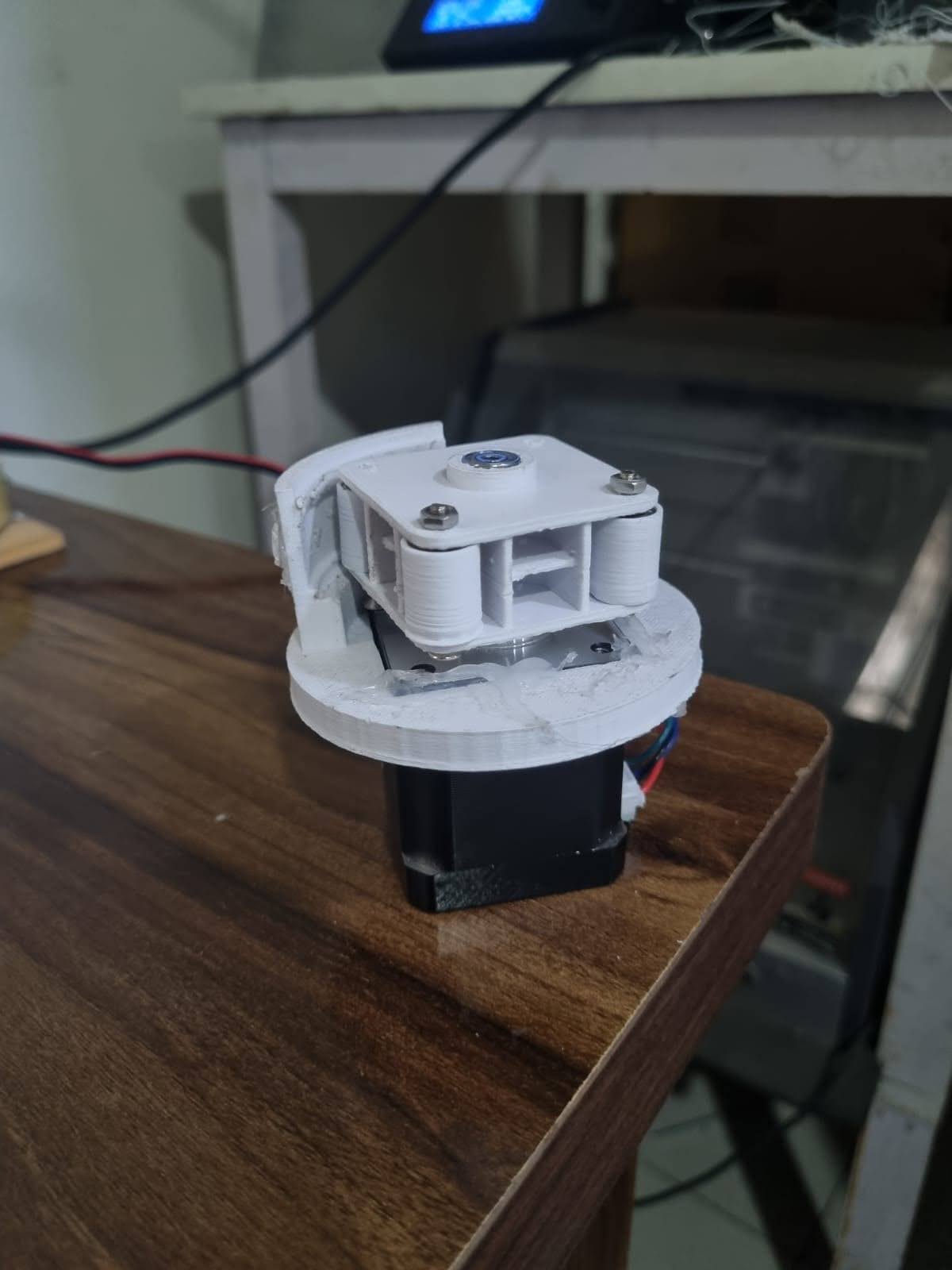
Commercial pump options were evaluated before developing a custom peristaltic pump to better satisfy system requirements.
Development included:
Multiple design iterations were completed to optimise flow consistency, manufacturability, and assembly.
Prototypes were manufactured using rapid prototyping techniques and evaluated through experimental testing.
Testing included:
Testing results were continuously incorporated into subsequent design iterations.
This project strengthened my understanding of medical device development by demonstrating how structured engineering, iterative prototyping, and experimental validation transform clinical requirements into practical mechanical solutions. It reinforced the importance of balancing performance, manufacturability, reliability, and user needs throughout the product development process.