FIXED WING UAV
Role: Aerodynamics & Mechanical Design Engineer
Competition: SAEISS Drone Development Challenge (DDC) 2024
Domain: Aerospace Engineering
Role: Aerodynamics & Mechanical Design Engineer
Competition: SAEISS Drone Development Challenge (DDC) 2024
Domain: Aerospace Engineering
Role: Aerodynamics & Mechanical Design Engineer
Competition: SAEISS Drone Development Challenge (DDC) 2024
Domain: Aerospace Engineering
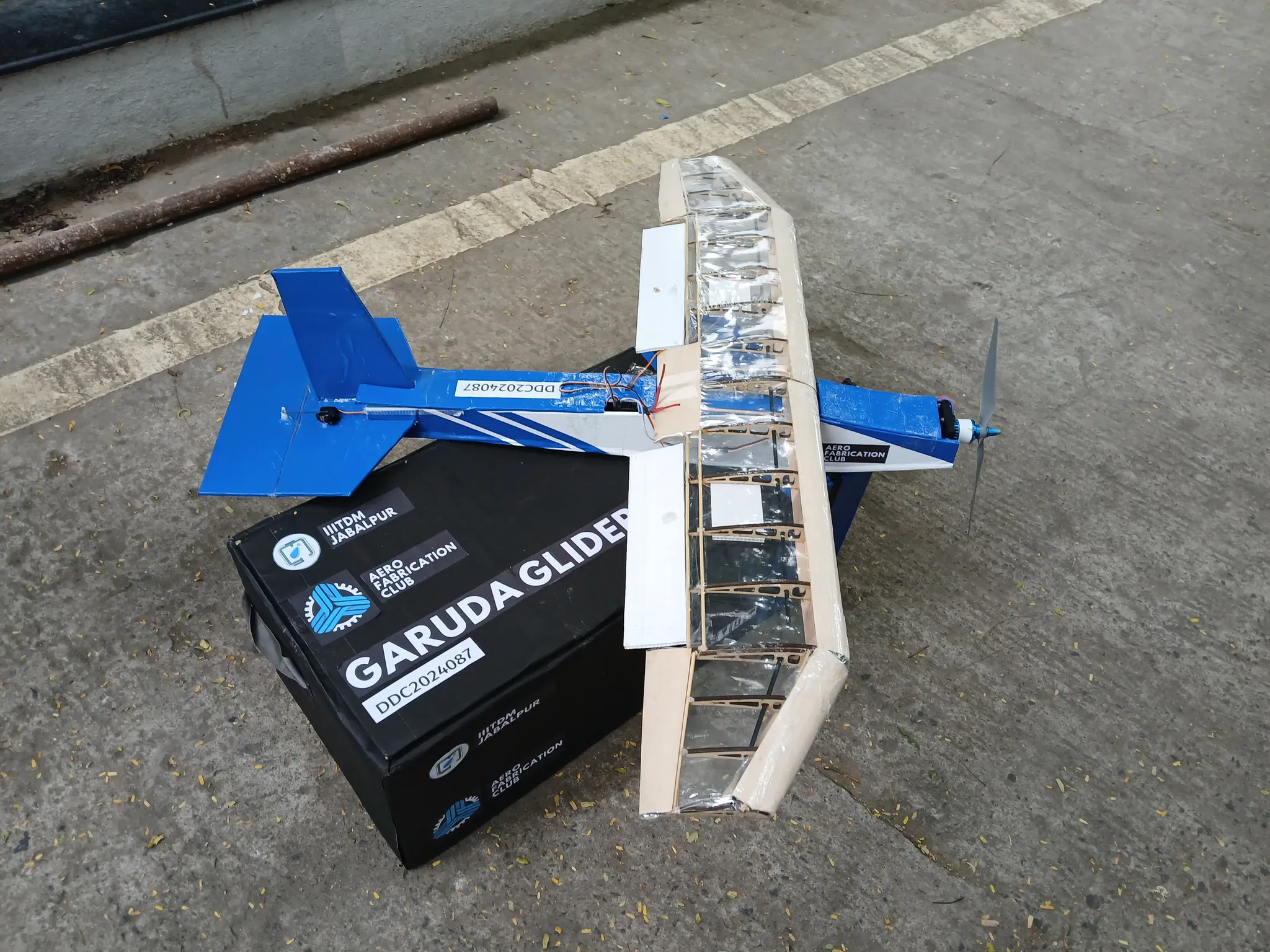
Designed and developed a fixed-wing UAV for the SAEISS Drone Development Challenge, focusing on aerodynamic optimisation, structural design, CAD development, and engineering validation through CFD and structural analysis.
The objective was to design a lightweight fixed-wing UAV capable of carrying the required payload while achieving stable flight characteristics, structural reliability, and aerodynamic efficiency under strict competition constraints.
The aircraft needed to balance lift, weight, endurance, manufacturability, and structural strength without compromising flight performance.
My responsibilities included:
The design process began by analysing competition requirements, payload constraints, flight conditions, and aircraft performance targets.
These requirements established design objectives for lift generation, cruise performance, endurance, and structural integrity.
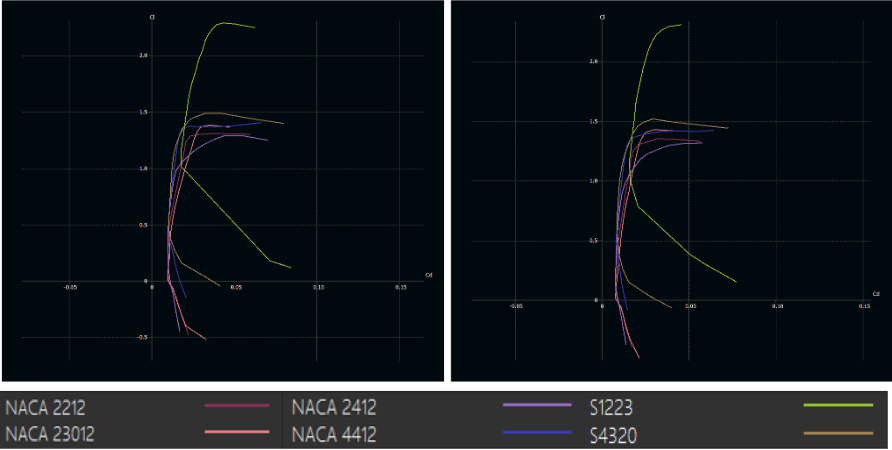
Multiple airfoils were evaluated using XFLR5 to compare lift, drag, and stability characteristics.
The final wing configuration was selected after analysing:
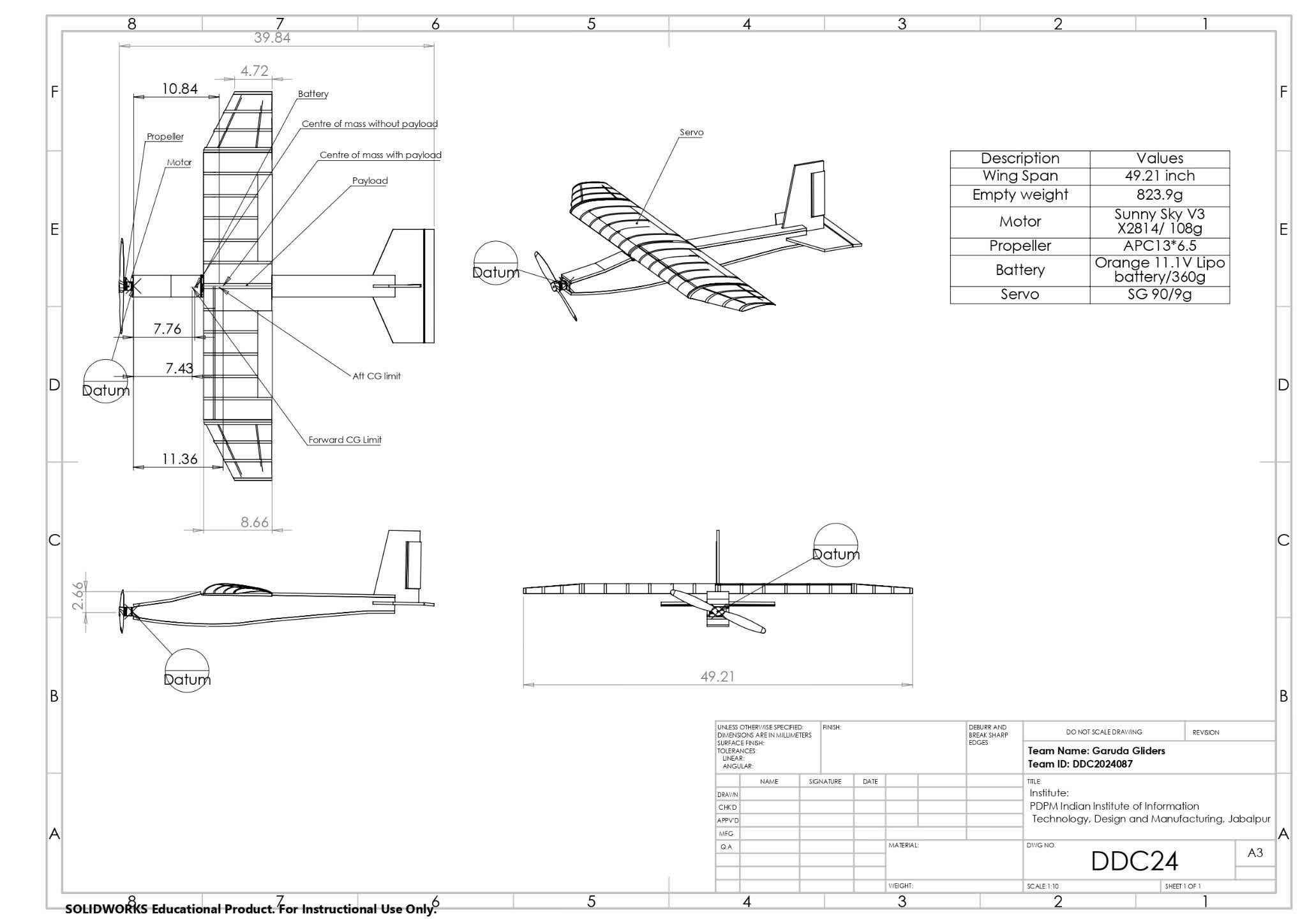
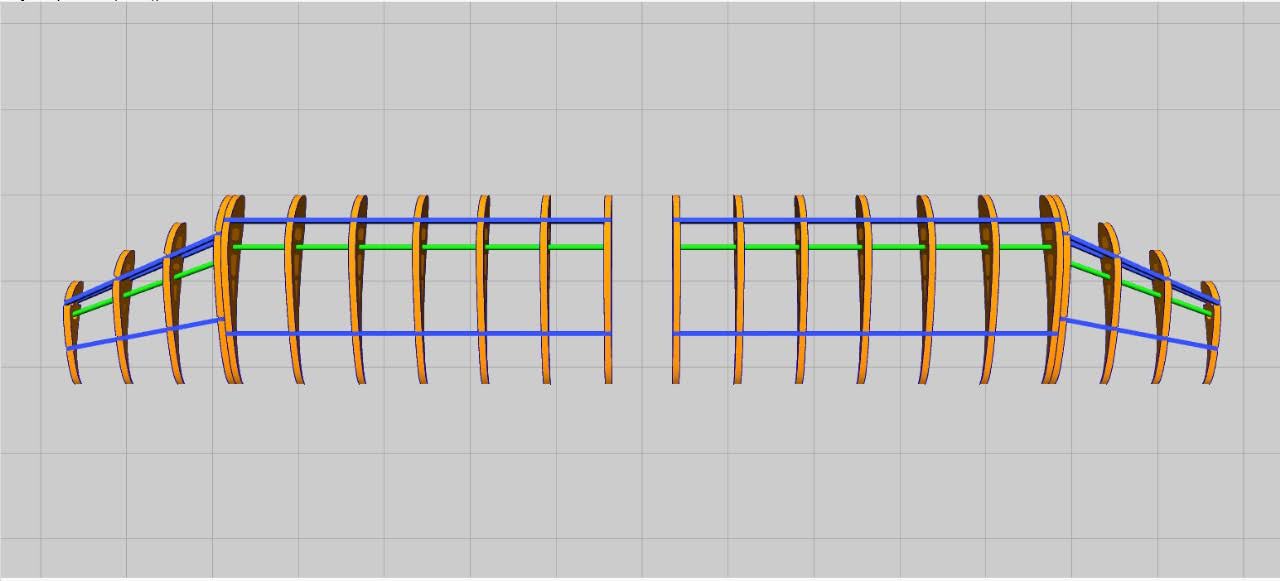
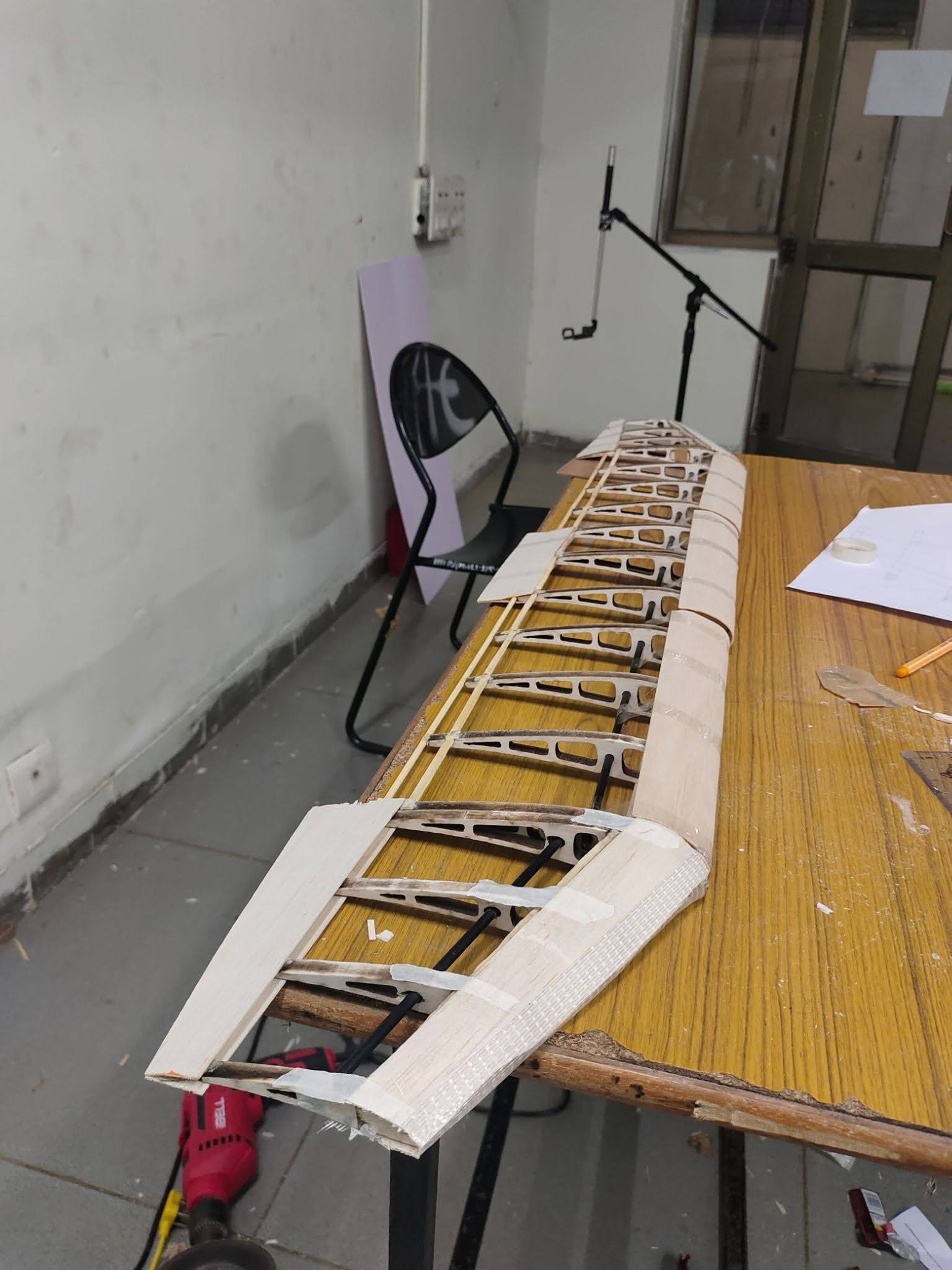
The complete aircraft was developed in SOLIDWORKS, including:
Particular attention was given to weight reduction while maintaining structural stiffness.
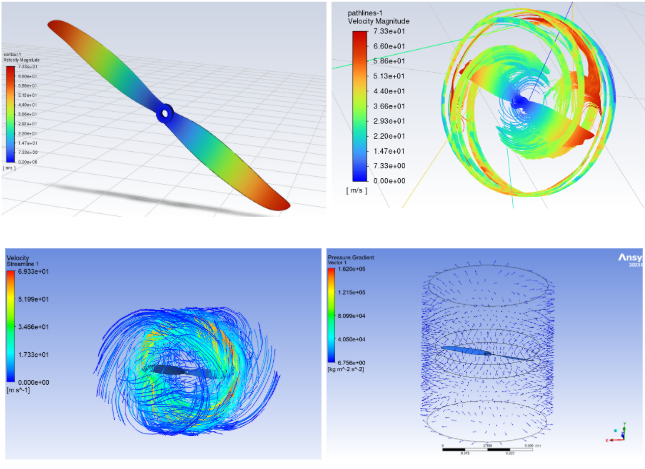
The design was validated using engineering simulations.
Analysis included:
Simulation results guided several design refinements before manufacturing.
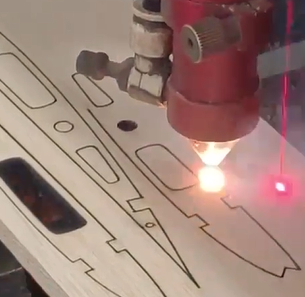
The aircraft structure was manufactured using lightweight materials suitable for rapid fabrication and field assembly.
Assembly focused on:
This project strengthened my understanding of aircraft design by combining aerodynamic theory, simulation, and mechanical engineering into a complete product development workflow. It reinforced the importance of simulation-driven design and iterative engineering when developing lightweight, high-performance systems.