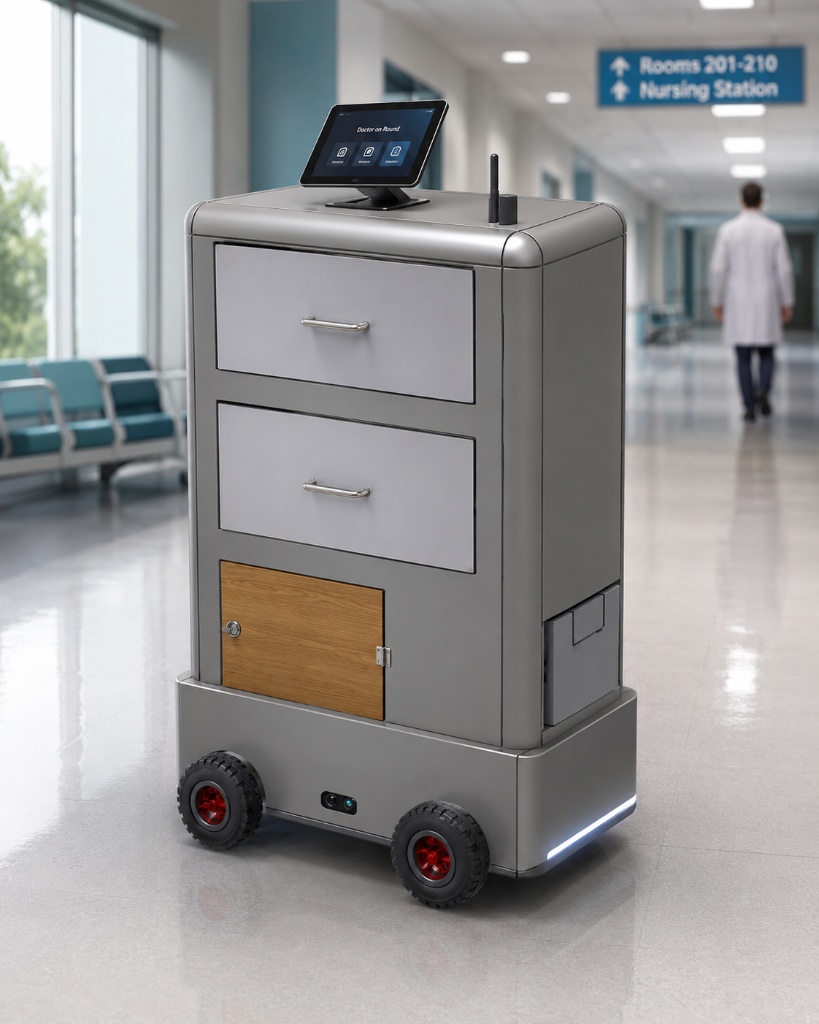
ASSISTIVE BOT FOR DOCTORS
Role: Mechanical Design Engineer
Domain: Healthcare Robotics
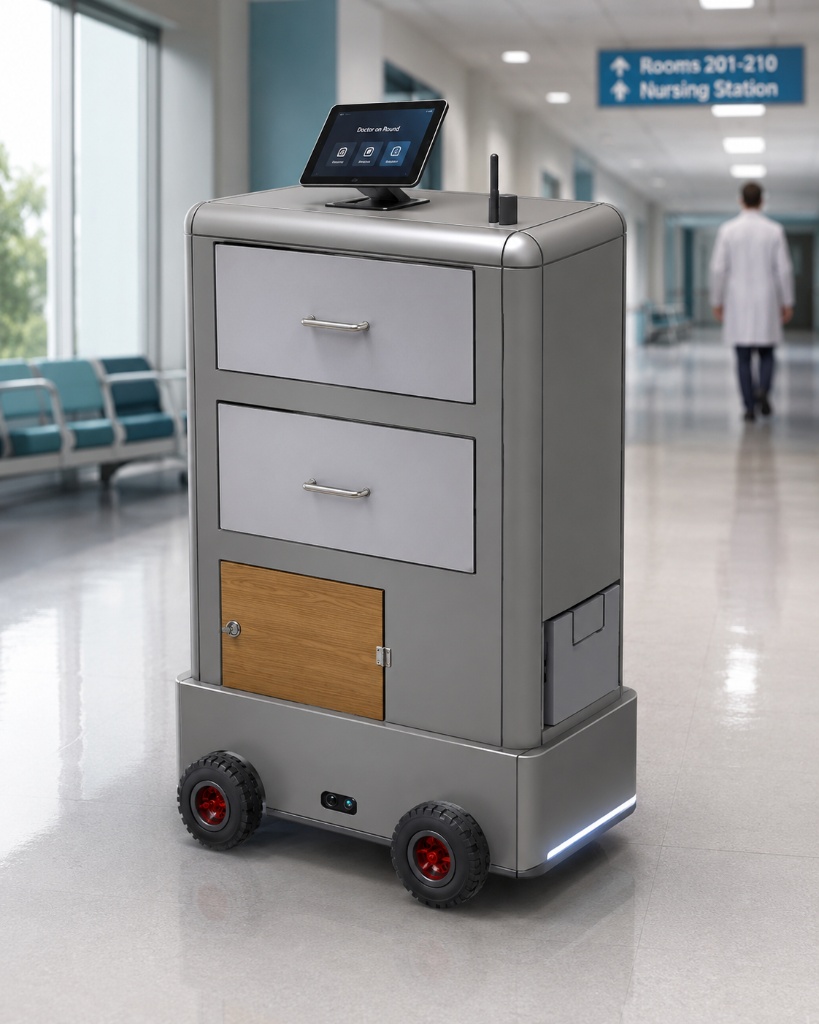
Role: Mechanical Design Engineer
Domain: Healthcare Robotics
Designed an autonomous assistive robot to support doctors during hospital ward rounds by transporting medical supplies, patient records, and essential equipment. The project focused on ergonomic product development, mechanical packaging, modular architecture, and manufacturable design.
Doctors and healthcare staff frequently carry medical records, diagnostic equipment, medicines, and consumables while moving between patient rooms. This repetitive task reduces efficiency and increases physical workload.
The objective was to develop an assistive robot capable of autonomously accompanying healthcare professionals while providing organised storage, easy accessibility, and safe operation within hospital environments.
My responsibilities included:
The design process began by studying hospital workflows, identifying user pain points, and understanding the operational requirements of doctors during routine ward rounds.
The findings guided decisions related to storage capacity, accessibility, mobility, and interaction.
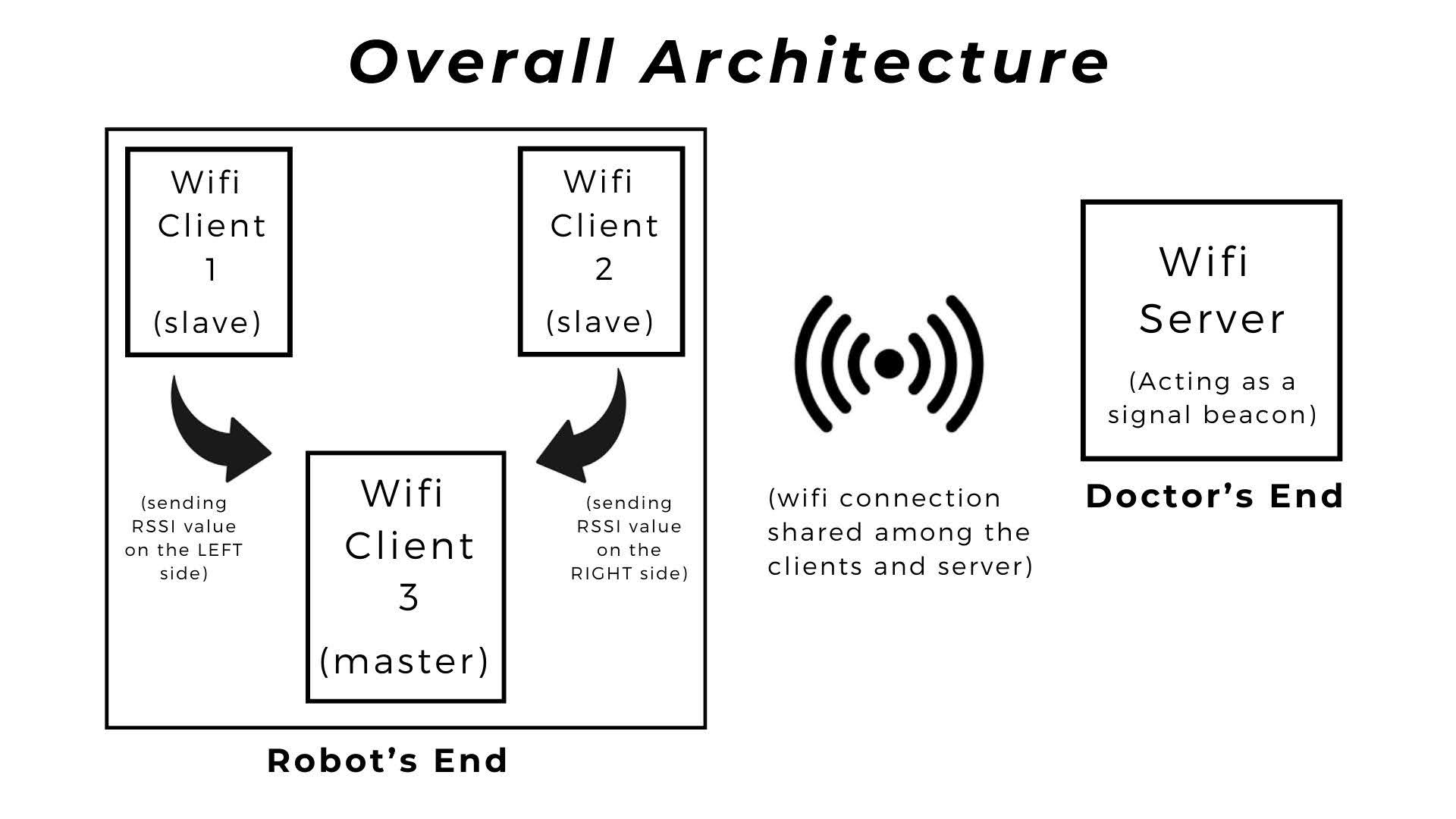
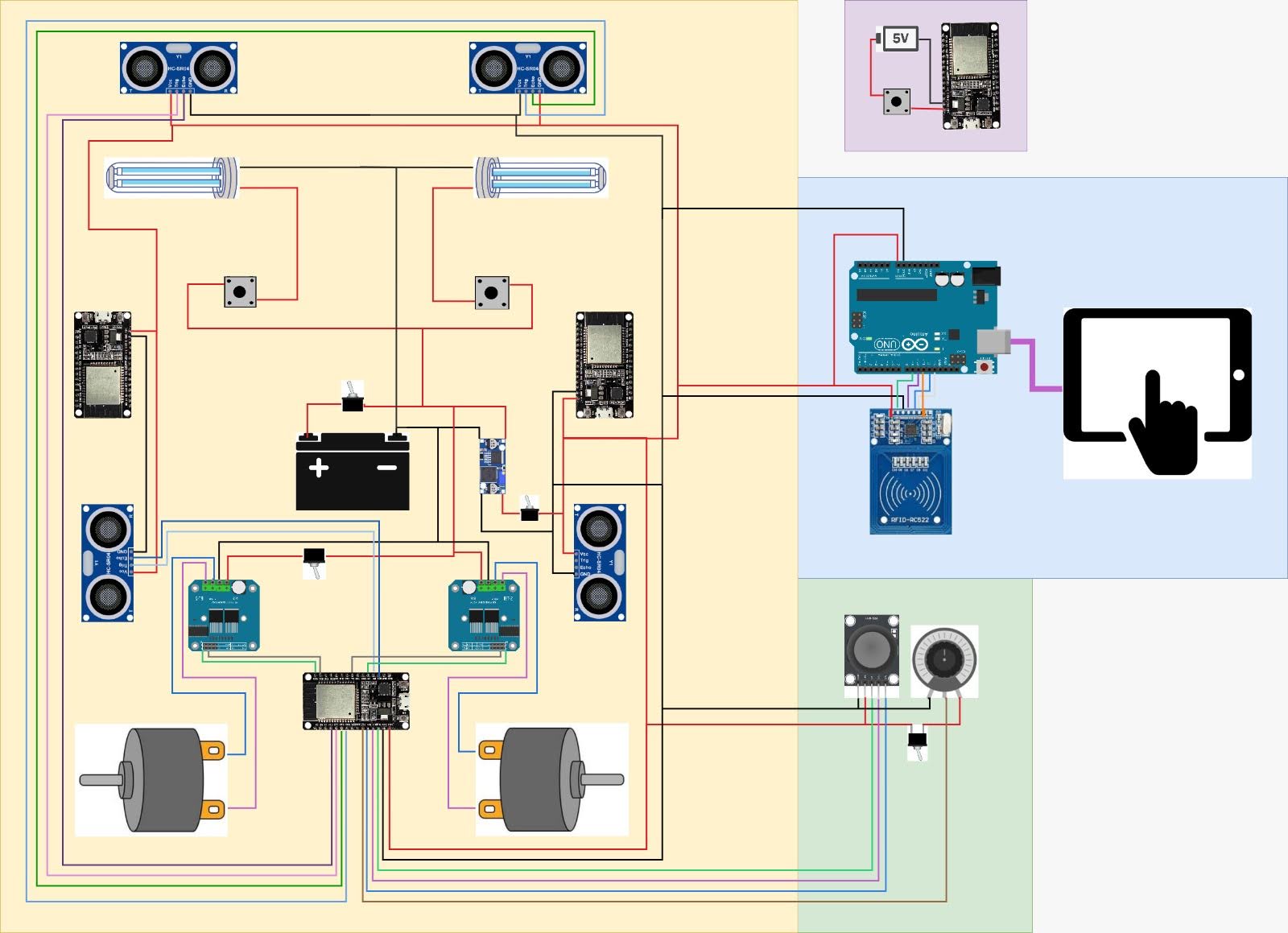
The robot was divided into functional subsystems:
The modular architecture simplified manufacturing, maintenance, and future upgrades.
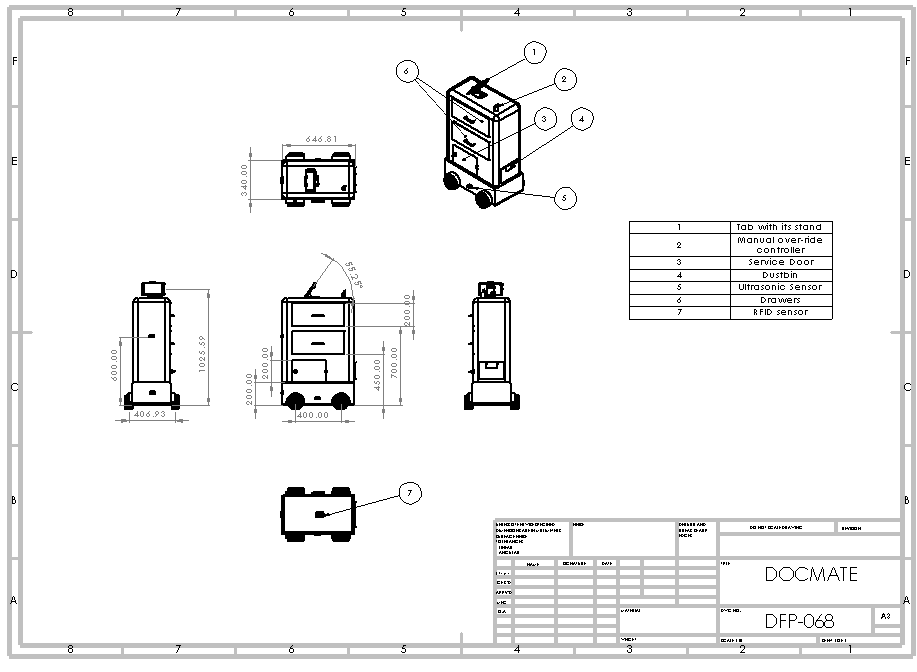
Mechanical development focused on creating a compact and ergonomic product suitable for crowded hospital environments.
Key design considerations included:
Complete assemblies were developed in SOLIDWORKS.
Development included:
The concept was evaluated through CAD validation and engineering reviews.
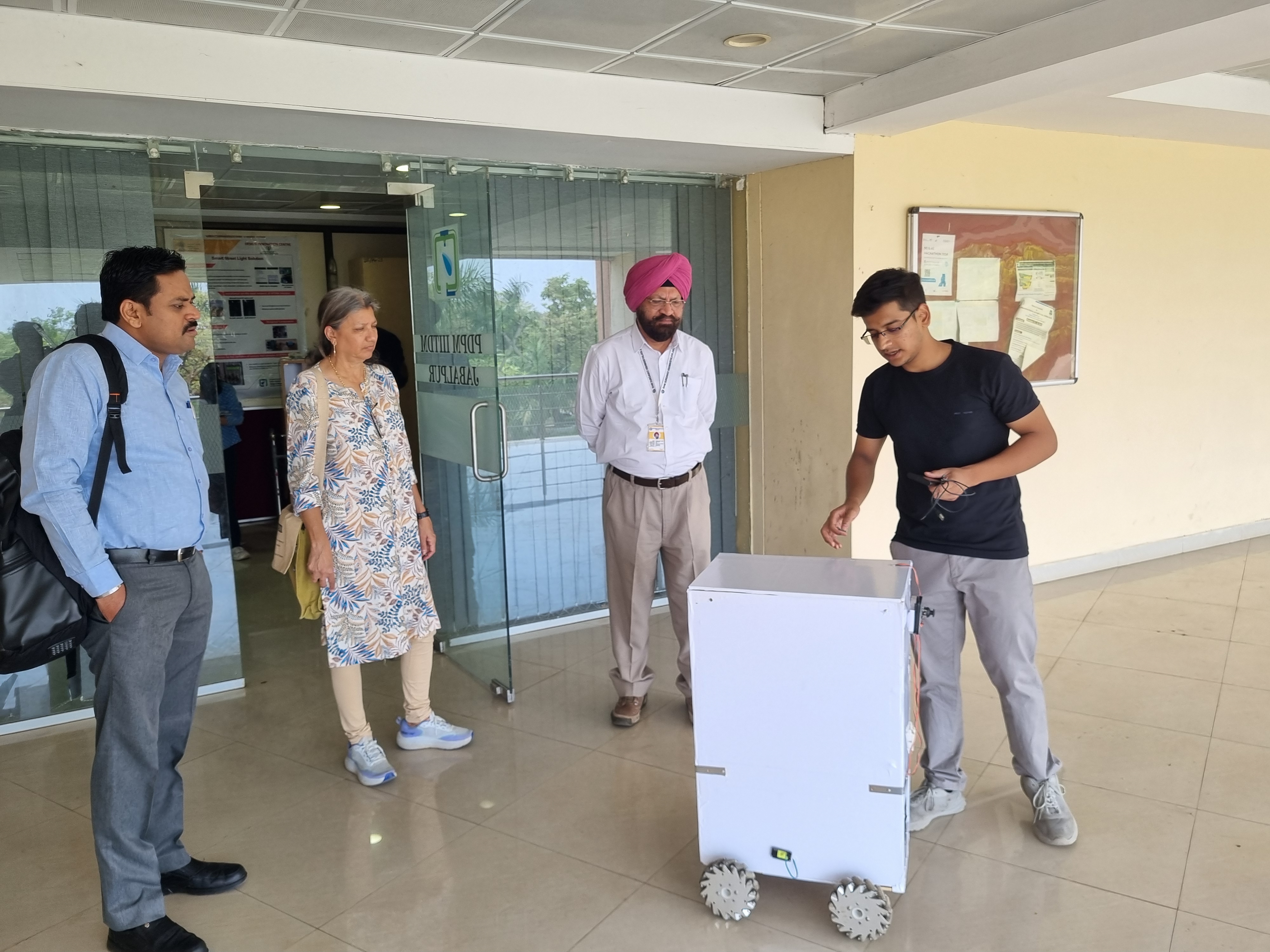
Prototype planning considered:
This project strengthened my understanding of user-centred product development by translating real healthcare challenges into practical mechanical design solutions while balancing ergonomics, manufacturability, and product functionality.